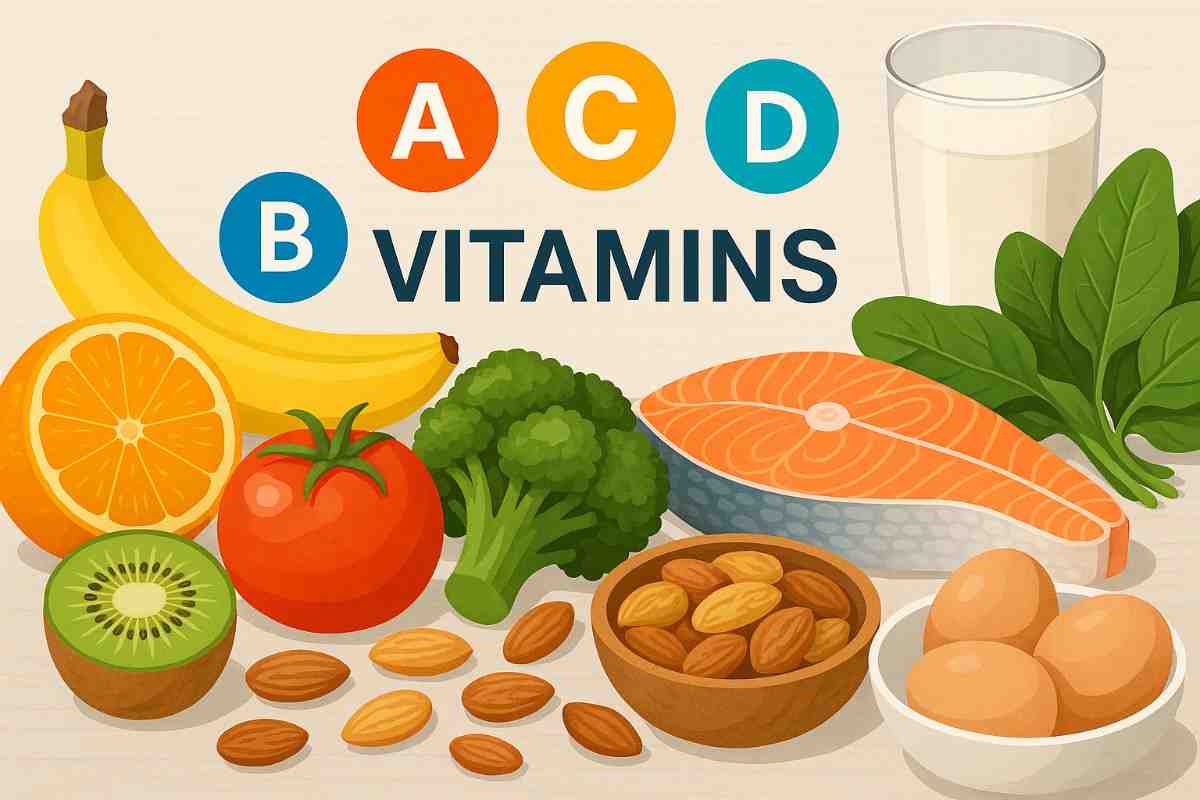
How do vitamins help our bodies to work properly? Benefits of vitamins.
A, C, E, D, B, K. No, this isn’t some random, out of orfer alphabet. Understanding the vitamins benefits for body is essential. Because vitamins act as the building blocks that keep your system functioning properly. Vitamins are organic compounds we must consume in small amounts to function well. They help build muscles and bones, use nutrients, produce energy, and heal wounds.
Why Vitamins Are Essential for the Human Body
If you doubt vitamin value, consider old sailors who lacked vitamin-rich food. They got scurvy. But vitamin C, abundant in fruits and vegetables, was the simple antidote to this disease. Bacteria, fungi, and plants make their own vitamins, but we can’t, so we must get them from food. If you want natural food sources packed with essential vitamins, you can explore some powerful options in our detailed guide on super foods and their benefits.

How Our Body Absorbs Different Types of Vitamins
That’s dependent on the form these compounds take. Vitamins are either fat-soluble or water-soluble, which affects how the body transports, stores, and removes them.
Water-Soluble Micro Nutrients and Functions
Water-soluble vitamins include vitamin C and B complex vitamins, each offering unique functions. They dissolve in the watery parts of fruits and vegetables, making their passage through the body straightforward. Once inside the system, these foods are digested and the vitamins within them are taken up directly by the bloodstream. Because blood plasma is water-based, vitamins C and B move freely through the body.
Fat-Soluble Micro Nutrients and Functions
For fat-soluble vitamins in foods like dairy and oils, entering the blood is more complex. These vitamins pass through the stomach and intestine, where bile breaks down fat for absorption. Because fat-soluble vitamins can’t move in watery blood, proteins attach to them and transport them through the body.
So, this difference between water or lipid soluble vitamins determines how they get into the blood, but also how they’re stored or rejected from the body. Because water-soluble vitamins circulate easily, the kidneys flush them out quickly. Because of that, most water-soluble vitamins need to be replenished on a daily basis through the food we eat.
But lipid-soluble vitamins have staying power because they can be packed into the liver and in fat cells. The body treats these parts like a pantry, storing the vitamins there and rationing them out when needed, meaning we shouldn’t overload on this type of vitamin, because the body is generally well stocked.

Key Health Benefits of Essential Vitamins
After transport and storage, vitamins finally do the work they’re meant to do. Some, like many of the B Complex Vitamins, make up coenzymes, whose job is to help enzymes release the energy from food. Other B vitamins then help the body to use that energy. From vitamin C, you get the ability to fight infection and make collagen, a kind of tissue that forms bones and teeth and heals wounds.
Vitamin A helps to make white blood cells, key in the body’s defense, helps shape bones and improves vision by keeping the cells of the eye in check. For more practical ways to use vitamin-rich foods to protect your vision, see our tips on relaxing and nourishing your eyes with the right nutrients. Vitamin D gathers calcium and phosphorus so we can make bones, and vitamin E works as an antioxidant, getting rid of elements in the body that can damage cells. Finally, from Vitamin K, we score the ability to clot blood, since it helps to make the proteins that do this job.
Without vitamin variety, deficiencies can cause fatigue, nerve damage, heart issues, rickets, or scurvy. Too much vitamin C can cause toxicity, so overloading on supplements isn’t wise. In reality, it’s all about getting the balance right, and hitting that vitamin jackpot.
For evidence-based guidance on how much of each vitamin you actually need and the risks of taking too much, you can refer to this NHS overview of vitamins and minerals.
Our Social Accounts


