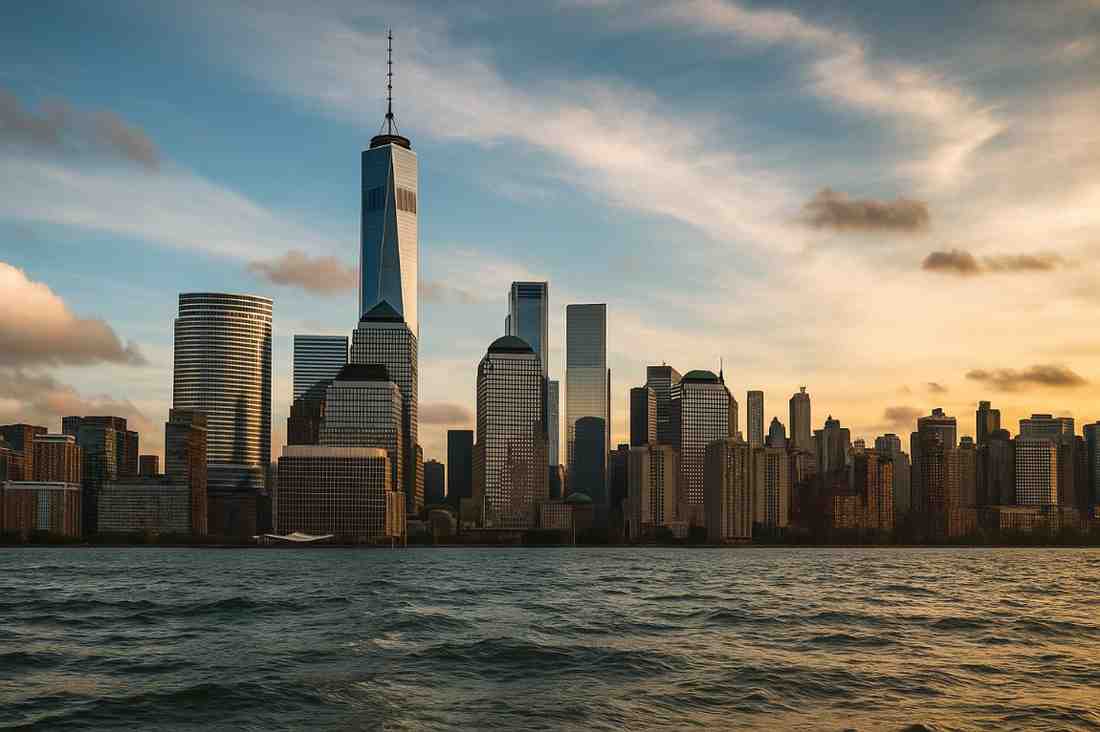
The Impact of Skyscrapers on New York’s Rising Sea Levels: Is New York Sinking in Ocean?
The distinctive skyline of New York City, also known as the “concrete jungle,” is defined by the city’s high skyscrapers. Understanding the impact of skyscrapers is essential to see how New York’s structures influence rising sea levels. However, these structures also create unforeseen effects, including their impact on rising sea levels. This article explains how New York’s skyscrapers relate to rising sea levels and their future effects.
1. Understanding the Connection
Linking skyscraper building to increasing sea levels may seem paradoxical, but there is a deeper connection at work. Skyscrapers place a heavy burden on the ground below them, resulting in a phenomenon called land subsidence. The ground sinks as skyscrapers add pressure, which raises the relative sea level in the area.
2. Urbanization, Land Reclamation, and Their Impact on Skyscrapers
Large-scale land reclamation initiatives have been implemented in tandem with New York City’s growing urbanisation. These initiatives entail filling in marshes and coastal areas to make additional space for development, including skyscraper building. Land reclamation reduces natural coastal buffers, making the city more vulnerable to flooding.

3. Reduced Water Absorption Linked to Skyscraper Expansion
Large portions of the city are covered in skyscrapers, which replace natural surfaces like grass and dirt with concrete and asphalt. This change forces rainwater into the drainage system and sea, blocking natural absorption and flow. Higher sea levels are a result of this increased runoff, particularly during storm events and periods of excessive precipitation.
4. Coastal Erosion and the Impact of Skyscrapers
Skyscrapers can hasten coastal erosion, especially when placed close to the water. The enormous buildings affect coastal currents and disturb natural sediment movement, which causes sediment to wash away from neighbouring shorelines. This causes faster erosion and pushes seawater inland, increasing relative sea levels.
For a clear scientific explanation of how sea levels rise and why it matters, check NOAA’s guide on sea level rise.
5. Climate Change and High-Rise Impact Interaction
While skyscrapers themselves may not directly contribute to climate change, they do contribute to its worsening consequences. Melting ice caps from rising global temperatures contribute to higher sea levels worldwide. With so many towers, New York City is especially vulnerable to the effects of this global phenomenon.
To learn how individual behaviour can help slow global warming and reduce environmental stress, see our guide on how small changes can deal with rapid climate change.
6. Mitigating the Impact of Skyscrapers on Sea Levels
Although there is no denying the connection between skyscrapers and increasing sea levels, there are steps that may be taken to lessen their negative effects.
Green Building Designs: Skyscrapers’ environmental impact can be reduced by implementing sustainable and green building techniques, which also encourage water conservation and cut down on energy use.
Coastal Protection: Building strong coastal defences like sea walls, dikes, and natural buffer zones can safeguard the city from storm surges and sea level rise.
Improved Urban Planning: Better urban planning with flood-resistant designs can improve the city’s resilience

Conclusion: Managing the Long-Term Impact of Skyscrapers
The towers that define New York have come to represent the city’s metropolitan character. However, skyscrapers also cause erosion, less water absorption, and subsidence, raising sea levels. It is critical for the city to embrace sustainable practises, enhance urban planning, and make investments in coastal protection measures as a result of the issues that climate change continues to present. By doing this, New York can strike a balance between its aspirations for architecture and environmental stewardship, providing a more secure and resilient future for future generations.
For another take on everyday choices that benefit both your health and the planet, check out our piece on super-foods and their benefits.
Our Social Accounts


Thank you for posting such informative blogs! I always take away something useful and knowledgeable from this page.
Glad to know it 😊 and thank you for the constant support ❤️