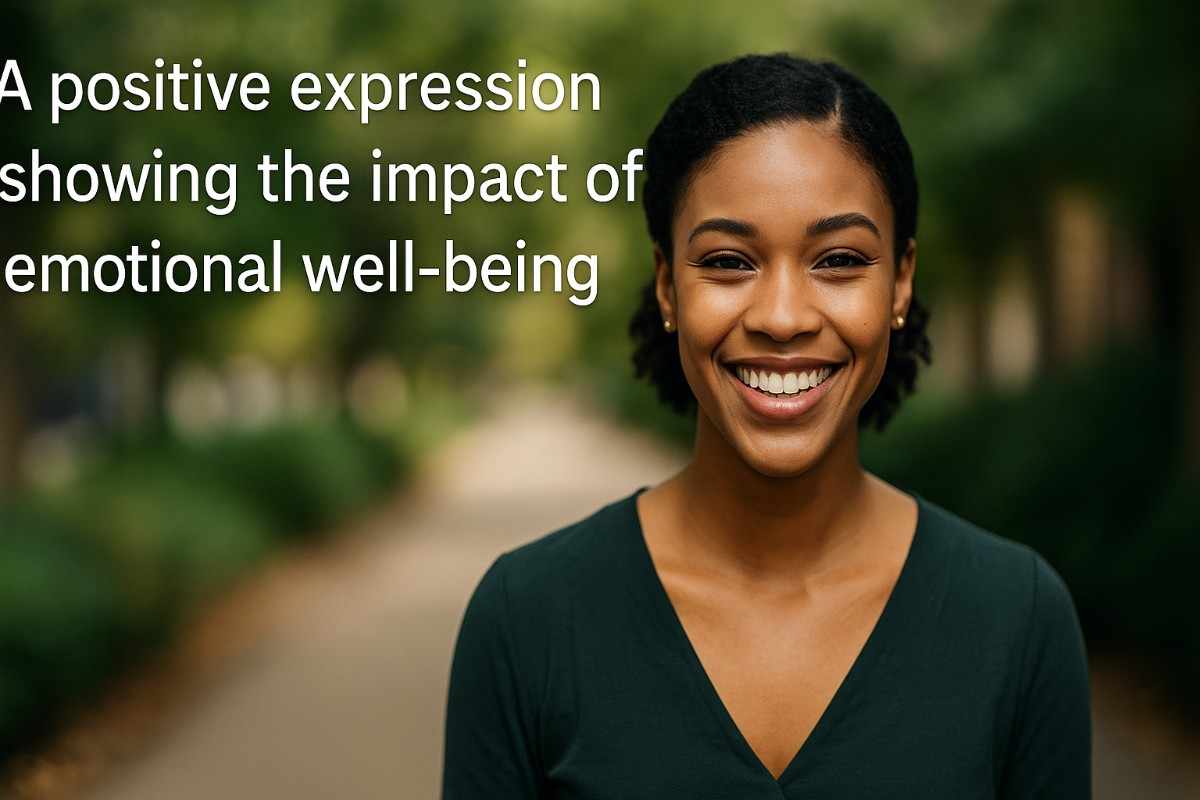
The Role of Emotions: Unveiling the Messages Behind Negative and Positive Feelings
Emotions have a crucial role in human connection, decision-making, and general wellbeing. Negative emotions are harder to manage than positive ones, which often bring happiness and contentment. Both positive and negative emotions reveal our inner state and support personal growth. InThis post explains how pleasant emotions reward us, while negative ones highlight areas needing change. Understanding these responses is essential for improving emotional well-being and building a healthier mindset.
Understanding Negative Emotions for Better Emotional Well-Being
Many people consider negative emotions like sadness, anger, worry, and impatience to be undesirable states. However, they are vital to our lives because they make us aware of underlying problems that require attention. Negative emotions might be thought of as internal alarm systems that sound when something is wrong. Feeling uneasy before a presentation may show fear or lack of preparation. It’s crucial to accept these emotions as possibilities for development and self-discovery rather than denying them.
Developing daily habits that promote mental happiness can significantly support our emotional well-being.
Negative feelings have the power to serve as mirrors that reflect our flaws and opportunities for growth. These experiences help us see thoughts and behaviours that may be causing misery. For instance, persistent jealousy may be a sign of fears or low self-esteem that require treatment. We can work towards personal improvement and lead more fulfilled lives by addressing the underlying causes of negative emotions.

Using Negative Emotions to Strengthen Emotional Well-Being
Positive change can be sparked by bad emotions rather than avoided or suppressed. Faced with these emotions, we have the chance to reflect on them and make the required corrections. This may entail asking loved ones for support, using mindfulness exercises, or, if necessary, consulting a professional. We can start the process of change and personal evolution by recognising unpleasant emotions and the root causes of them.
How Positive Emotions Enhance Emotional Well-Being
On the other side, happy feelings act as reinforcement for our happy experiences and behaviours. When we achieve goals or enjoy activities, our brain releases dopamine linked to pleasure and reward. These encouraging feelings urge us to carry on with the behaviours that enhance our pleasure and well-being.
Consider the sensation of satisfaction you might feel after finishing a difficult project at work. These pleasant feelings boost self-esteem and motivate future efforts with the same zeal. By acknowledging and embracing these good feelings, we create a positive feedback loop that fosters both our personal and professional development.
Simple practices like genuine laughter also play a key role in improving emotional health and mood.
The Balance Between Negative and Positive Emotions
Negative emotions don’t have to be completely banished in order to be emotionally healthy. It entails striking a balance between having both negative and pleasant feelings, though. Positive emotions honour our efforts, whereas negative emotions provide us important information. Finding this balance enables us to live genuine lives by recognising our struggles and celebrating our accomplishments.
Think of a person who is attempting to lead a healthy lifestyle. As they initially run through difficulties and disappointments, they could feel frustrated and disappointed. The good feelings brought on by minor triumphs, such as putting up a fight against unhealthy appetites or reaching a fitness milestone, serve as inspiration to continue on the path to better health.

Conclusion
Emotions are intricate, dynamic parts of human existence that teach us important things about our internal states and experiences outside of ourselves. We should welcome negative emotions as chances for development and self-awareness rather than seeing them as burdens to be avoided. Similar to how we should value our positive acts and decisions, we should also value our happy emotions.
Positive and negative emotions work together to create a symbiotic partnership that helps us navigate life’s challenges with more grace and resilience. Accepting the messages hidden in our emotions enables us to seek personal development, make significant life changes, and live more fulfilling lives. In light of the fact that both the highs and lows are part of the human experience, let’s set off on a voyage of emotional discovery.
For readers who want a scientific explanation of how emotions shape behaviour and decision-making, this APA resource on emotions offers a reliable overview.
Our Social Accounts


