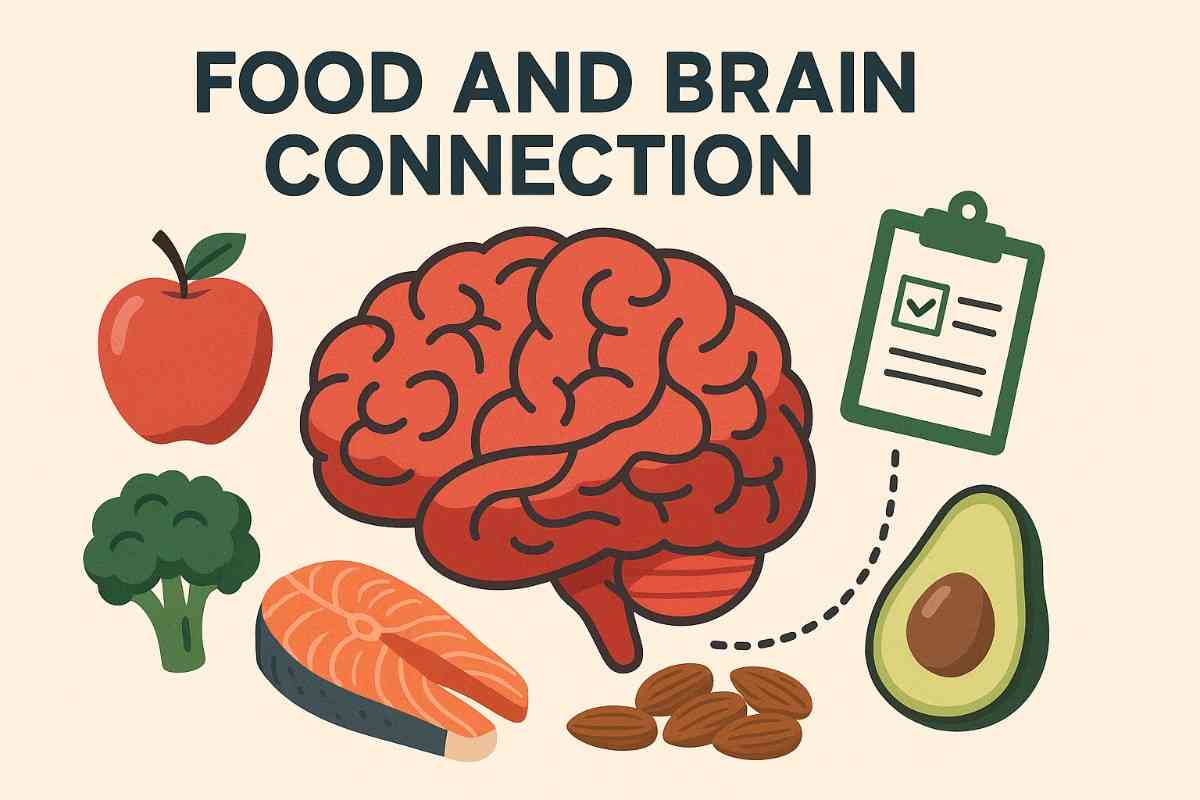
How does food affect your brain that you eat?
Your brain on food
If you removed all the moisture from your brain and broke it into nutrients, what would you see? Most of the weight of your dehydrated brain would come from fats, also known as lipids. In the remaining brain matter, you would find proteins and amino acids, traced of micronutrients, and glucose. Have you ever wondered how the food you eat affects your brain? The food and brain connection goes far beyond energy, it shapes memory, mood, and focus.
The brain is more than its nutrients, yet each one affects functioning, mood, and energy. So that post-lunch apathy, or late-night alertness you might be feeling, well, that could simply be the effects of food on your brain.
The Role of Nutrients in Brain Function and Mood
Of the fats in your brain, the superstars are omegas 3 and 6. These essential fatty acids, which have been linked to preventing degenerative brain conditions, must come from our diets. Eating omega-rich foods like nuts, seeds, and fish helps build and maintain cell membranes. Omegas support brain health, but too many trans or saturated fats can harm it. When we talk about omega-3s and nutrient-dense foods that help your brain, you might also want to review the article on the top super-foods for the brain which highlights accessible options you can include daily.

Meanwhile, proteins and amino acids, traced building block nutrients of growth and development, manipulate how we feel and behave. Amino acids contain the precursors and neurotransmitters, the chemical messengers that carry signals between neurons, affecting things like mood, sleep, attentiveness, and weight. Beyond nutrients, the gut-brain axis plays a critical role in how food influences mood and cognition, see our deeper dive into the gut-brain axis and nutrition for more.
How Food Compounds Shape Emotions and Brain Chemistry
They’re one of the reasons we might feel calm after eating a large plate of pasta, or more alert after a protein-rich meal. Food compounds can trigger brain cells to release mood-altering chemicals like dopamine and serotonin. But getting to your brain cells is tricky, and amino acids have to compete for limited access. A varied diet keeps brain chemicals balanced and prevents mood swings.
Like the other organs of our bodies our brain also benefit from a steady supply of micronutrients. Antioxidants from fruits and vegetables strengthen the brain to fight off free radicals that destroy their brain cells, enabling your brain to work well for a longer period of time. And without powerful micronutrients, like the vitamins B6, B12, and folic acid, our brain would be susceptible to brain disease and mental decline. Trace amounts of the minerals iron, copper, zinc, and sodium are also fundamental to brain health and early cognitive development. In order for the brain to efficiently transform and synthesize these valuable nutrients, it needs fuel, and lots of it.
How Carbohydrates and Glucose Influence Mental Performance
While the human brain only makes up about 2% of our body weight, it uses up to 20% of our energy resources. Most of this energy comes from carbohydrates that our body digests into glucose, or blood sugar. The frontal lobes are so sensitive that low glucose quickly affects mental function.

Assuming that we are getting glucose regularly, how does the specific type of carbohydrates we eat affect our brains?
Carbohydrates come in three forms, starch, sugar, and fiber. Though labels list total carbs, the sugar-to-fiber ratio affects how your body and brain respond. High-glycemic foods like white bread spike blood sugar, then cause a sharp dip. Blood sugar shoots down, and with it, our attention span and mood. On the other hand, oats, grains, and legumes have slower glucose release, enabling a steadier level of attentiveness.
For sustained brain power, opting for a varied diet of nutrient-rich foods is critical. When it comes to what you bite, chew, and swallow, your choices have a direct and long-lasting effect on the most powerful organ in your body.
Research shows that following a pattern rich in leafy greens, fatty fish, berries and nuts supports cognition, see the Harvard Health article on foods linked to better brain-power for the data
Our Social Accounts


👏👏👏😍
🥰